
Nutrition Knowledge Hub
Accurate science, healthier choices.
Sharing up-to-date, peer-reviewed clinical nutrition and medical diet insights. Explore our guides to empower your health journey.

RECENT ARTICLES & PAPERS (20)
Peer-reviewed publications and clinical guides 🥑 Ketogenic Diet
How Can Children Follow a Medical Ketogenic Diet at School?
How families and schools can organize meals, plan for trips and follow a seizure action plan when a child is on a medical ketogenic diet for epilepsy.
 🥑 Ketogenic Diet
When Can a Medical Ketogenic Diet Be Stopped in Childhood Epilepsy?
Families and clinicians decide together when to taper a medical ketogenic diet for childhood epilepsy. Seizure recurrence risk, EEG findings, a gradual transition and nutritional follow-up all inform the decision.
 🥑 Ketogenic Diet
Ketogenic Diet in Dravet Syndrome: When Is It Used, How Effective Is It, and How Is It Monitored?
Dravet syndrome is an early-onset developmental and epileptic encephalopathy that often becomes drug-resistant. Ketogenic dietary therapies are an evidence-supported option used within multidisciplinary care to reduce seizure burden.
 🥑 Ketogenic Diet
What Is Pyruvate Dehydrogenase Complex Deficiency (PDCD)? Why Is the Ketogenic Diet Used?
In pyruvate dehydrogenase complex deficiency, the transfer of glucose-derived pyruvate into mitochondrial energy production may be impaired. Ketogenic diet therapy provides downstream alternative energy.
 🥑 Ketogenic Diet
What Is GLUT1 Deficiency? Why Is the Ketogenic Diet a Core Part of Treatment?
GLUT1 deficiency is a treatable neurometabolic disorder where the brain cannot access sufficient glucose. Ketogenic diet therapies provide the brain with alternative fuel.
 🧠 Pediatric Neurology
Nutrition in Children with Cerebral Palsy: Growth, Energy Needs and Nutrition Support
Nutrition in children with cerebral palsy is more than weight tracking. Growth, energy requirements, swallowing safety, gastrointestinal problems and family life must be evaluated together.
 🧪 Scientific Notes
How Meaningful Is Continuous Glucose Monitoring (CGM) in Healthy Individuals? Interpreting Glucose Fluctuations Correctly
More data does not automatically mean better clinical interpretation. How should we evaluate glucose fluctuations in healthy individuals without diabetes?
 👶 Pediatric Nutrition
Iron Deficiency and Nutrition in Children: Ferritin, Anemia and Iron-Rich Foods
Iron deficiency can exist before anemia develops. Ferritin, hemoglobin, growth trajectory, dietary history and age-specific risks should be evaluated together.
 🧪 Scientific Notes
Ketogenic Diet and the Gut Microbiota: Possible Mechanisms in Epilepsy and the Limits of Scientific Evidence
We distinguish human studies, mouse experiments and 2026 clinical research on ketogenic therapy and the microbiota, explaining why a change in bacteria is not automatically a treatment recommendation.
 👶 Pediatric Nutrition
Constipation and Nutrition in Children: How Should Fiber, Fluids, Milk and Toilet Habits Be Assessed?
Constipation is common in childhood, but it does not simply mean that a child fails to have a bowel movement every day. Stool withholding, previous painful defecation, diet, fluid intake, and medical management must be evaluated together.
 🥑 Ketogenic Diet
What Does a Ketogenic Diet Dietitian Do? Safe Monitoring and the Specialist Team in Medical Ketogenic Dietary Therapy
The term “ketogenic diet” is often used online for low-carbohydrate eating patterns followed for weight loss. Medical ketogenic dietary therapy, however, is a therapeutic nutrition intervention with goals and methods that are different from popular “keto” diets.
 🧠 Pediatric Neurology
Swallowing Difficulties in Children: Dysphagia, Safe Feeding and Growth Monitoring in Neurological Conditions
Difficulty at mealtimes is not always poor appetite. A source-based family guide to childhood dysphagia, silent aspiration, assessment options and the role of nutrition and growth monitoring.
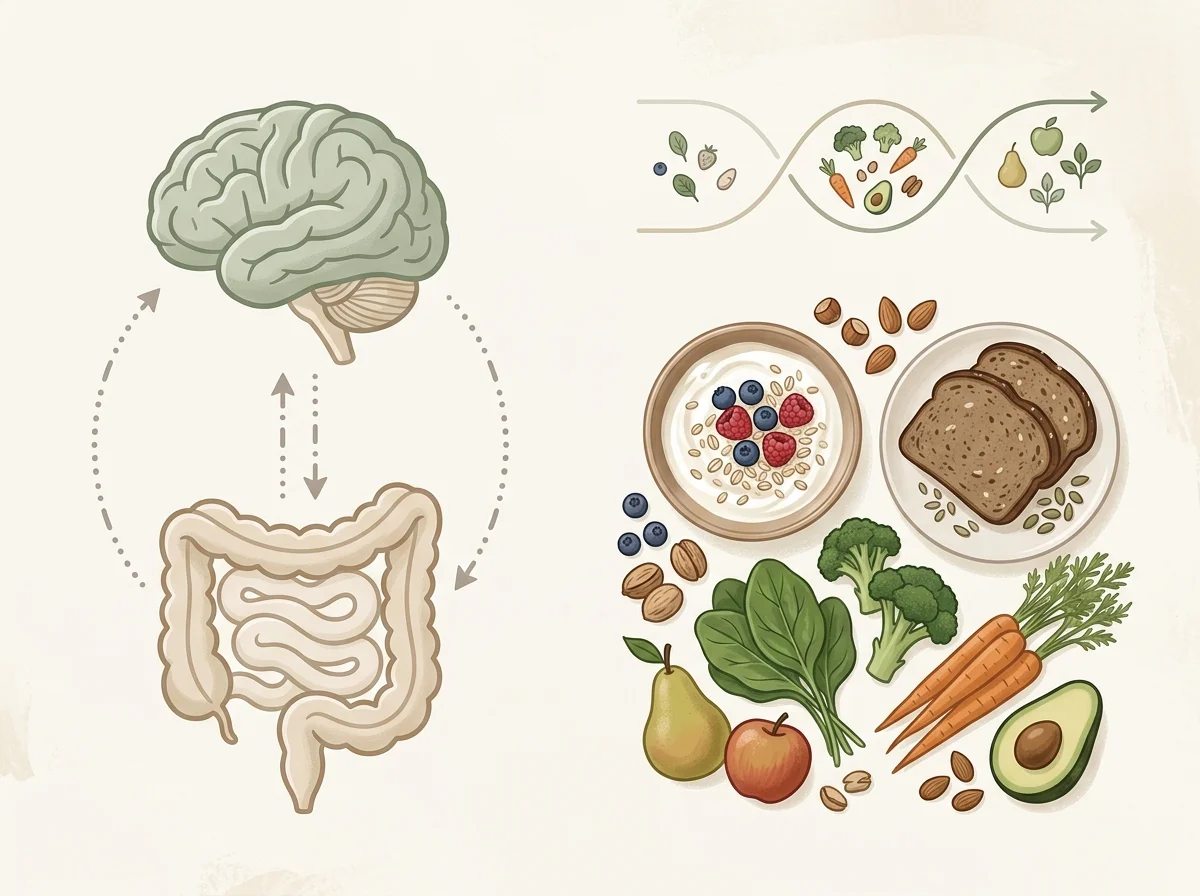 👤 Personalized Nutrition
Nutrition for Irritable Bowel Syndrome: Bloating, Stress and the Low-FODMAP Diet
Nutrition for IBS is not one prohibition list for everyone. We examine the reduction, reintroduction and personalization phases of low FODMAP alongside evidence on bloating, stress, fiber, gluten, lactose and probiotics.
 👤 Personalized Nutrition
Nutrition for Healthy Aging: Muscle Loss, Sarcopenia and Protein Needs
Healthy aging is about muscle strength and everyday function, not weight alone. We examine protein needs, exceptions in kidney disease, weight management and the scientific limits of supplements.
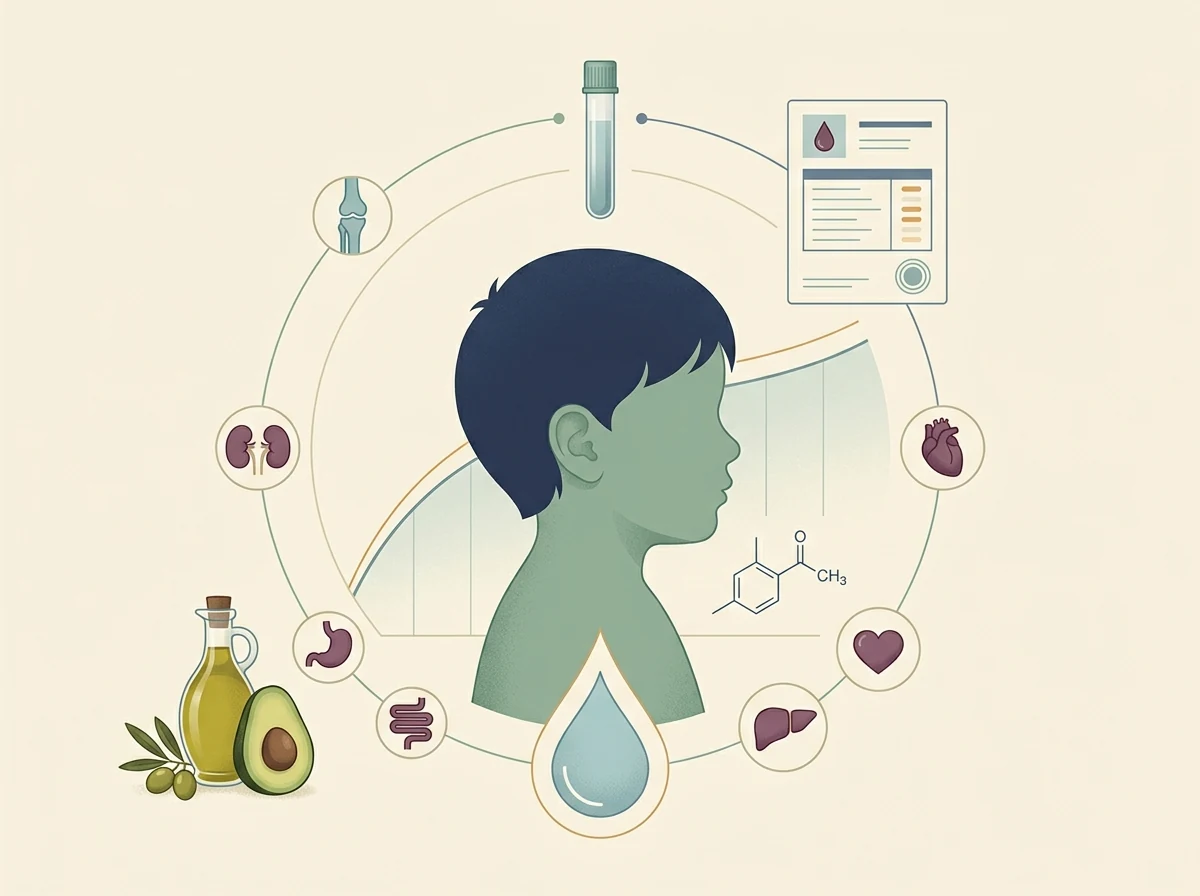 🥑 Ketogenic Diet
Monitoring Medical Ketogenic Dietary Therapy in Children: Growth, Laboratory Tests, Micronutrients and Adverse Effects
Medical ketogenic dietary therapy requires more than achieving ketosis. Seizure response, growth, nutritional adequacy, laboratory findings, treatment tolerance and possible adverse effects must be followed together.
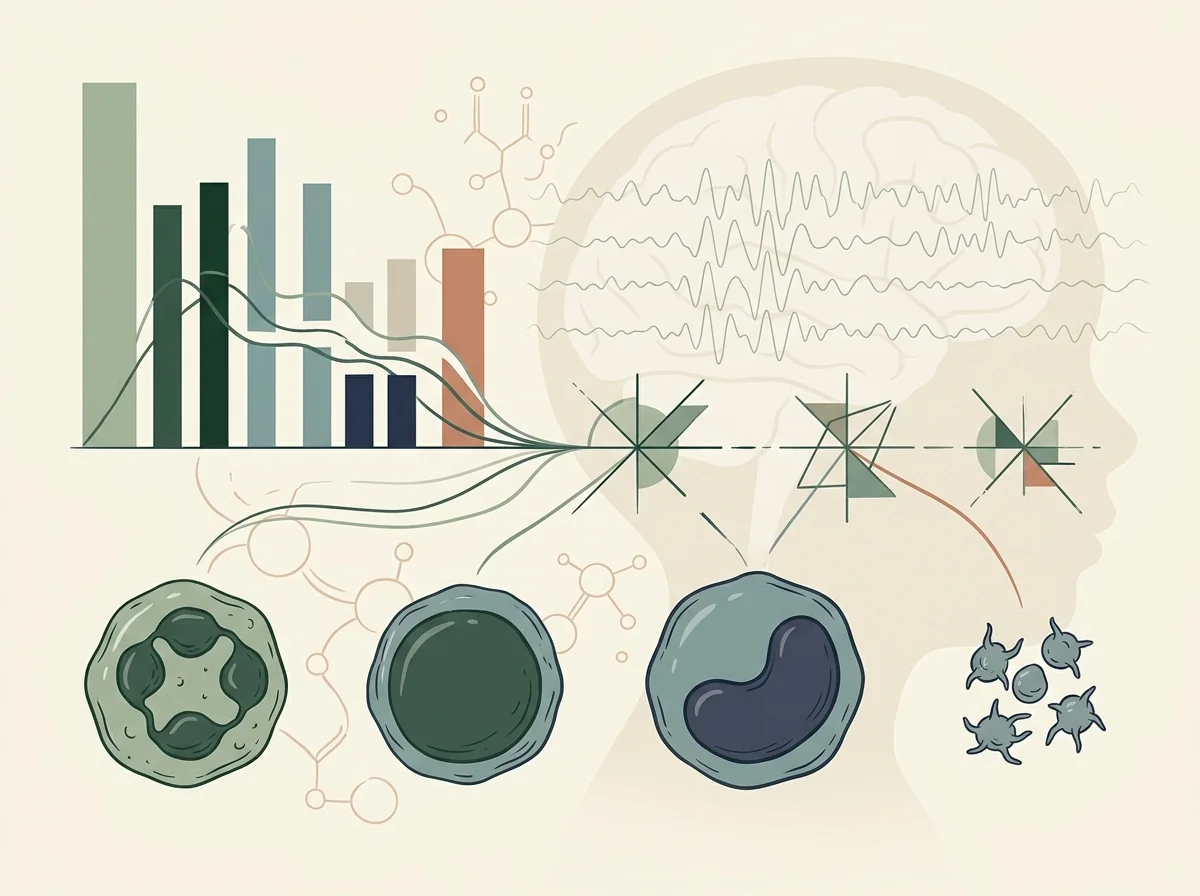 🧪 Scientific Notes
What Are NLR, SII and SIRI? Interpreting CBC-Derived Inflammatory Indices in Epilepsy and Ketogenic-Diet Research
NLR, SII and SIRI are research indices calculated from a routine complete blood count. A single value does not diagnose inflammation, epilepsy, neuroinflammation or treatment response; age, infection, seizure timing, medication and sampling conditions all matter.
 👤 Personalized Nutrition
What Is Personalized Nutrition? How Should Blood Tests, Genetics, the Microbiome and Lifestyle Be Evaluated Together?
Personalized nutrition is not simply a diet generated from a DNA, microbiome or blood test. Scientific personalization combines health history, eating patterns, lifestyle, measurable needs and real-world sustainability.
 👶 Pediatric Nutrition
Picky Eating and Poor Appetite in Children: When Is It Typical and When Is Support Needed?
When is picky eating a typical part of childhood development? Learn how to introduce new foods without pressure, monitor growth and nutrient adequacy, and recognize warning signs of PFD or ARFID.
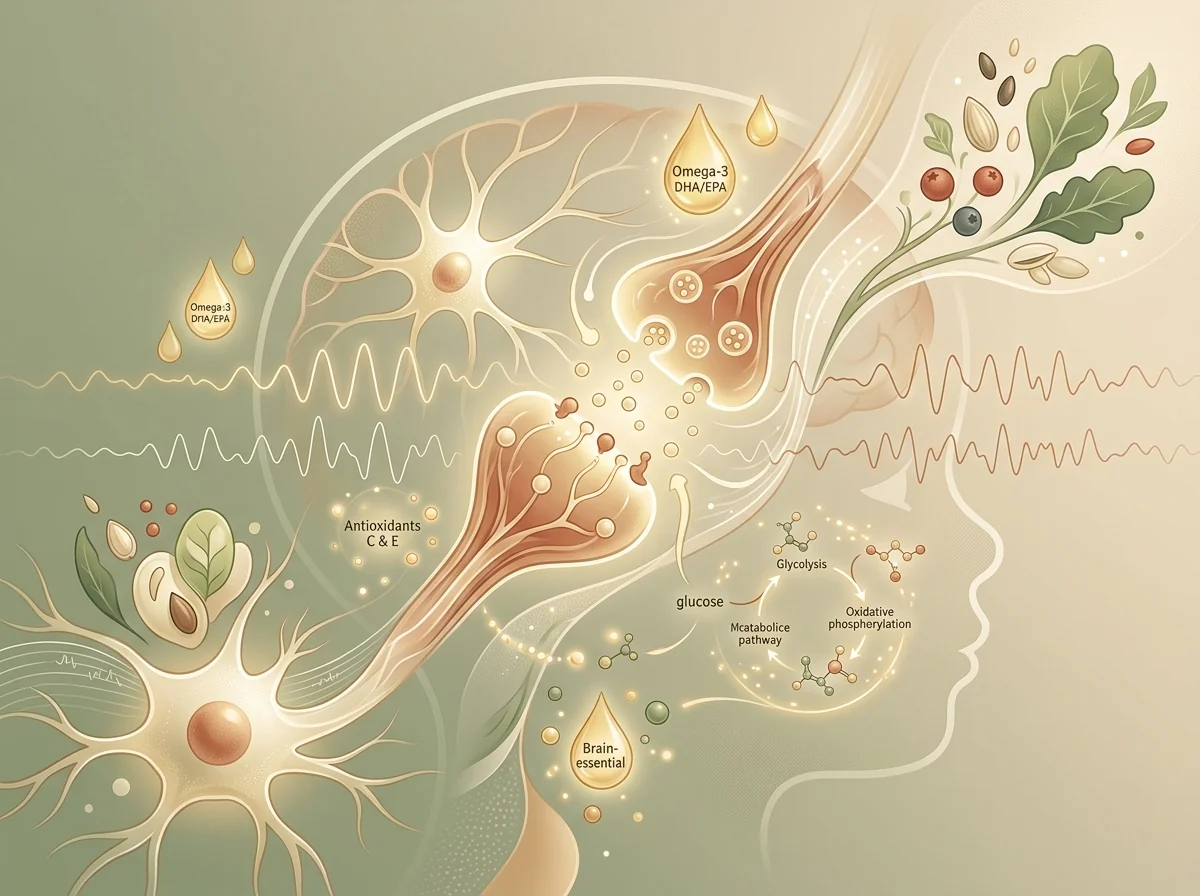 🧠 Pediatric Neurology
Nutrition in Pediatric Neurology: EEG, Seizure Control, and Growth in Children with Epilepsy
Nutrition in children with epilepsy is essential not only for growth, but also for seizure management, EEG findings, medication effects on appetite and weight, bone health, and medical ketogenic dietary therapy in appropriate patients.
 🥑 Ketogenic Diet
What is the Ketogenic Diet in Epilepsy and How Does It Work?
What is the medical ketogenic diet for epilepsy, who may be considered for it, how might it affect seizures, and how is it monitored in children?
Scientific & Evidence-Based
All articles are authored based on current medical literature and clinical evidence.
Expert Perspective
Insights shaped by extensive clinical expertise and academic research.
Practical & Actionable
Clear, understandable, and actionable guidance for everyday life.
Continuously Updated
Regularly refreshed in light of breakthrough research and emerging findings.