
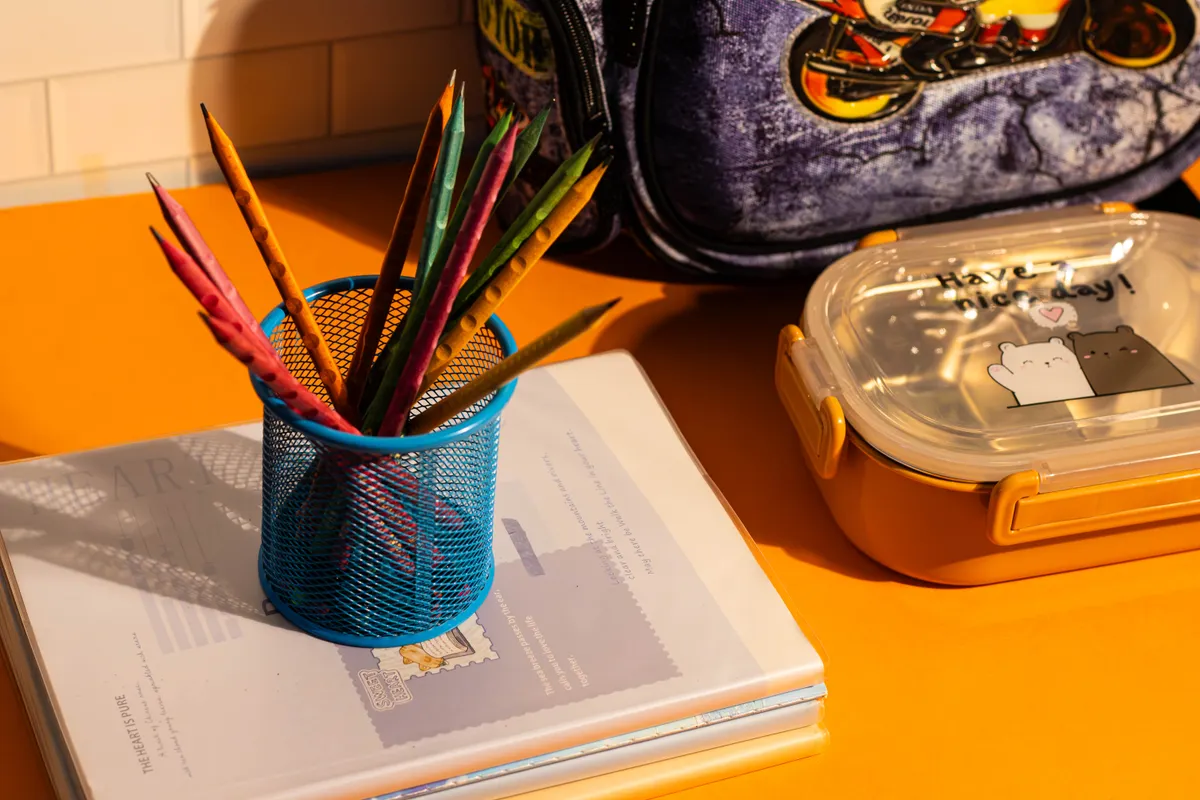
The lunch bag may make it onto the school bus on time. It may still be unclear who will receive it, where the box will be stored until lunch or how the family will find out if their child leaves half of the meal. For a child on a medical ketogenic diet for epilepsy, planning the school day means talking through those details as well as preparing the food. [1] [2] [3]
A workable school routine starts with two individual written plans. The meal plan developed with the dietitian explains how food is received, stored and served. The seizure action plan prepared with the pediatric neurologist explains who should do what during a seizure and when to call for emergency help. The family and school can agree in advance who will carry out each plan during the school day. [1] [2] [6]
Start with your child's actual school day
Before a short meeting with the teacher, family and school administration, walk through the school schedule from start to finish. Can the child have breakfast before leaving home? Who takes the lunch box when the child arrives? How do recess, the lunch break and after-school clubs fit with the child's usual mealtimes? If the school has a health professional who can help with seizures or feeding, it may be useful to include them. Staffing and storage options vary from one school to another, so assign roles according to what is available at your child's school. [2] [3] [6]
The family guide to ketogenic therapy for epilepsy explains the roles of the treatment team and what clinical follow-up involves.
A full day, a half day and a field trip may each call for different arrangements. Families can share the upcoming school calendar with the dietitian. On a trip, the setting for lunch, access to cold storage and the person responsible for receiving the food may differ from a regular school day. Discussing these days at the first meeting can reduce the need to work out each arrangement from scratch later in the year. [1] [2] [4]
Assign someone to each task and name a backup
“The school will help” leaves open the question of whom to contact when the lunch bag fails to reach the classroom. It is more useful to write down the names and contact details of the main person and their backup. The staff member who receives the food in the morning, the adult who is with the child at lunch and the person who calls the family may be different people. Agree on how a substitute will receive the information if the child is in another teacher's class or the adult who usually helps is away. [2] [4] [6]
The routine can be as simple as handing the bag to a designated adult at the entrance, having the lunch supervisor check that the meal is for the right child and contacting the backup if something goes wrong. After the first week, the family and school can discuss which steps worked in practice. That keeps the routine from depending on one teacher's memory or on the child to remind everyone. [2] [4]
How does a meal get from home to the table?
Preparing the meal and handing it over
The dietitian plans each meal around the child's nutritional needs and the type of ketogenic therapy prescribed. Preparation and portioning can differ between approaches such as the classic ketogenic diet and the modified Atkins diet. The dietitian can explain which meal to prepare in advance, which parts to serve together and what alternatives can be used. The guide to what a ketogenic dietitian does goes into more detail about that clinical work. [1] [2] [3]
If lunch and a snack travel in the same bag, clear labels can help prevent a mix-up. Marking one container “lunch” and the other “afternoon snack,” for example, gives staff a quick check between drop-off and serving. Include enough information to identify the child and the meal. The adults who need clinical details can refer to the current written plan, so those details can stay off the visible label. [2] [4] [6]
Storing and serving the meal
A container that is easy to open at home may be difficult for a child to manage during a rushed lunch break. Some children may also find it harder to eat a familiar meal when its temperature or texture changes. Choose a suitable container and try the meal at home as it will be served at school. School staff and the family can then agree where the meal will be kept and what equipment or utensils will be needed to serve it. [2] [3]
For food that must be kept cold, find out whether a refrigerator is available at drop-off. Where a refrigerator is unavailable, a suitable insulated bag and cold source can be used to transport perishable food. The family and school should check that food can be stored safely on trips and during long bus journeys as well. If the storage arrangements are unsuitable, discuss meal alternatives with the dietitian ahead of time. [3] [7]
What information should come home after lunch?
For some children it matters how much of the meal they eat. The dietitian can specify what the school should record. For one family, a note such as “all,” “some” or “none” may be enough. For another, it may be more useful to say that part of the meal separated or spilled, or that a particular part was left. Agreeing on what to record can spare school staff unnecessary paperwork. [1] [2]
If the child frequently runs out of time, cannot open the box or leaves food after it has been stored for a long time, the family can bring those examples to a review. A brief account of what happened, the approximate time and how the child was feeling gives the team something concrete to work with. The dietitian can then consider changes to the time allowed for eating, the way the food is served or how it is prepared. [2] [5]
What should happen when a meal goes off plan?
If the lunch bag is left at home
A food sold in the school canteen may look similar to the usual meal yet have different ingredients or portions. If the dietitian has approved a backup that can be stored safely at school, the written plan says when to offer it. If no approved option is available, the designated adult uses the contact instructions in the meal plan. To make the backup practical, agree where it will be kept and who checks its use-by date. [1] [2]
If the child leaves part of the meal or eats something else
The adult can help by calmly finding out what happened and recording it. If the child leaves part of the meal, report what remains in the way the dietitian has requested. If the child eats something else, record the name of the food and, if known, the label, approximate amount and time. The treatment team can assess any changes to later meals according to the child's plan. Speaking privately with the child can help them share what happened without feeling singled out in front of their classmates. [1] [2] [4]
What a change means depends on the child's prescribed therapy, what they ate and how they were feeling. The family can agree with the dietitian and neurology team which events to record at the end of the day and which call for immediate contact. A general instruction to call about every change can blur that distinction. Examples that match the child's situation can make the written plan more useful. [1] [2]
If the child is unwell or has an unusual symptom
Follow the written sick-day plan from the treatment team if the child vomits, cannot eat or drink adequately, or is markedly different from their usual self. The family and school can agree in advance on which symptoms to report, whom to call and how to reach the team outside school hours. If the team recommends checking ketones or glucose at school, it should specify who can do it, when and where to report the result. The child's clinical plan also sets out their fluid needs. [1] [2]
How are the meal and seizure action plans used at school?
A spilled meal, a child who seems unusually inattentive and an observed seizure provide different kinds of information. For a problem with a meal, follow the contact steps in the meal plan. If a seizure occurs, school staff follow the child's seizure action plan. It explains how to recognize the child's known seizures, when to contact the family, what first aid to provide and when to call emergency services. If rescue medication has been prescribed, the clinician specifies when and how it is to be given. [2] [6] [8]
Check that the contact list reflects the latest version of the written plan. When a new teacher, school transport worker or field trip supervisor takes over, share the information they need ahead of time. In Türkiye, the emergency number is 112. Staff should know where to find the child's seizure action plan and who will call emergency services in situations that require immediate help. [6] [8]
When recording a seizure or an issue with a meal, a description of what was observed is more useful than a guess about its cause. “After lunch, she briefly stopped responding and then started talking again” is a concrete account. The family can pass the time of the event, the steps taken at school and any observations about when the child returned to their usual state on to the treatment team. [2] [6]
Plan for participation on trips, birthdays and canteen days
In an interview study, 17 parents of 12 children with epilepsy described difficulties around meal preparation and social events while fitting ketogenic treatment into daily life. This small study describes experiences some families had. It cannot tell us how common those experiences are. When planning a classroom event, the school can give the child ways to participate that extend beyond the food being served. [4] [5] [9]
For a classroom birthday, for example, the teacher can let the family know ahead of time. The family can discuss bringing an option that fits the child's plan and letting the child eat it alongside their classmates. The child can also choose how to join in games, music or another class activity. Where appropriate for their age and development, ask what would help them feel comfortable during the celebration. [1] [4] [5] [9]
For a trip, agree where and when the child will eat, who can help if the schedule changes, how food will be transported and who can access the seizure action plan. The options agreed with the dietitian can be helpful if the day changes, for instance when a trip planned to finish before lunch runs late. Brief the person who will actually accompany the group about their responsibilities, even if the class teacher already knows the plan. [2] [4] [6]
The child's privacy and independence
When classmates ask, “Why are you eating something different?”, some children may prefer to give a brief answer. Others may want to keep the details private. You can find a response with your child that feels comfortable, such as “I bring my lunch from home.” During classroom discussions about healthy eating, teachers can take into account that a child following a prescribed diet may receive different foods from their classmates. [4] [5]
As children grow older, they can take on tasks such as carrying their own box, asking the designated adult for help or letting someone know when they cannot finish a meal. Choosing tasks they can manage one at a time gives them room to become more independent while keeping support available. The family and school can discuss which treatment details to share with classmates, taking the child's preferences into account. [4] [6] [9]
What can go on a one-page school plan?
The format of the written plan can fit the way the school works. The professionals who prepare the meal and seizure action plans check the information they are responsible for. The family and school can use these questions as a starting point for their meeting. [2] [4] [6]
- Who receives each meal and when? Who is the backup if that person is away?
- Where will meals be stored? When and in which container will they be served?
- How will staff record how much was eaten or whether part of a meal spilled?
- Who should be told if the lunch is forgotten, a trip runs late or the child eats something else?
- How can the family and school plan a suitable option when they know about an event in advance?
- Where is the current seizure action plan kept, and which staff can reach it?
- When will the plan be reviewed, and how will older copies be replaced?
If the child has difficulty swallowing or receives tube feeding, the feeding team should make separate plans for safe feeding at school, the equipment needed and training for the person responsible. The guide to swallowing difficulties in children covers food textures and safe feeding support in more detail. [1] [2]
Walk through a school day before the first week
Consider one example. The family hands over the box at the school entrance in the morning. It needs to stay refrigerated until lunch. If the main person is working with another class at lunchtime, how does the backup find out? Would they need a key to the dining hall or help from another staff member to get the box? These details may only become clear when the family and school talk through each step from drop-off to serving. [2] [3] [4]
Talk through an interruption as well. If the lunch bell rings and the box is missing, whom should staff ask first, and who calls the family? If the school has an approved backup meal, the plan explains when to use it. The child can practise too. A younger child can learn whom to go to for help. An older child who wants to hand over their own lunch box can say at which point they would still need an adult's help. [2] [4] [6]
Test the contact arrangements. If the teacher cannot use their phone during lunch, decide whether messages will go through the school office. Some families will not have someone who can respond at midday. The written plan can specify the next person to contact and when to ask the clinical team for advice. Keep this contact arrangement separate from the emergency steps in the seizure action plan. [2] [6]
What details are needed about the school menu?
The menu is a good starting point for finding out which meals are offered. To decide whether a particular dish can be used, the dietitian may need to know the recipe, the products used to make it and how it is served. The name of a dish might stay the same even if the sauce or a packaged product in it changes. Identifying the person in the school kitchen who can supply that information gives families a way to find out about changes. [1] [2]
A “sugar-free,” “low-carb” or “keto” label does not provide all the information needed to assess a food against an individual plan. Families can share the ingredients or labels supplied by the school with the dietitian. The written arrangement also states how and when a menu change should be handled. At lunchtime, the adult can use that agreed information without having to interpret the label themselves. [1] [2]
A brief note at the end of the day may be enough
Use a few examples to see whether the information coming home in the first days is useful. “Some food was left” may not explain what happened. “Lunch was short and the child needed help opening the box” gives the family and school a problem they can address. A plan that relies on filling in a detailed chart every day can be hard to sustain. The dietitian and school can agree what information is needed for follow-up and how often to collect it. [2] [5]
When should the school plan be reviewed?
The first days of term are a good time to fill in any details you missed. Review the routine again if the meal prescription, class schedule, adult in charge or the child's feeding abilities change. Several meals left unfinished, lunch repeatedly overlapping with a class or the child withdrawing from shared meals are concrete observations to bring to a review. [2] [4] [5]
Information about how the diet is working at home and at school can be part of clinical nutrition and growth monitoring. If the team changes the diet or plans to gradually discontinue it, share the current meal instructions with the school again. Knowing who received the new plan helps the family make sure the classroom, dining hall and trip staff have the same instructions. [1] [2] [6]
Frequently asked questions
Can my child have a school meal?
The dietitian can consider the ingredients, preparation and portions in the school menu alongside the child's prescribed therapy. If there is insufficient information, one option is to bring a meal from home that the team has planned. The family and dietitian can decide which setup fits the school's circumstances. [1] [2] [3]
Does the teacher need to weigh foods?
The child's meal plan sets out what school staff need to do. If most preparation happens at home, the teacher may simply check that the right meal is offered at the right time. If weighing or other preparation is required, the team can agree with the family and school where it can be done, who will do it and what training they will need. [1] [2]
What if my child does not finish lunch?
The school records how much the child ate in the way the dietitian has specified. The individual written plan says when the family should be contacted immediately. If this happens often, review how much time the child has, how the meal is stored and served, and how well the child accepts the food. [2]
Can my child eat with friends at a birthday party?
The teacher and family can discuss arranging an option in advance that fits the dietitian's plan. Ask the child how they would like the setting and activity to be organized. This can give them a chance to eat at the same time as their friends and join the celebration in a way that suits them. [4] [5]
Does every child need ketone testing at school?
The team decides for each child whether testing is needed and who should do it in which circumstances. If testing is planned, the written instructions can specify who receives the results, where the equipment is stored and which symptoms should be reported. [1] [2]
Which plan should staff follow if a seizure occurs at school?
The adults responsible for the child follow the current seizure action plan developed with the pediatric neurologist. It sets out how to recognize a seizure, when to call for help and any rescue medication instructions from the clinician. Staff use the meal plan for the eating routine and issues with food. [6] [8]
Cover photograph — The Design Lady / Pexels.
Scientific References
- Kossoff EH, Zupec-Kania BA, Auvin S, et al. Optimal clinical management of children receiving dietary therapies for epilepsy: Updated recommendations of the International Ketogenic Diet Study Group Epilepsia Open. 2018;3(2):175–192. PubMed ↗ DOI: 10.1002/epi4.12225 ↗
- Schoeler NE, Whiteley VJ, Guglielmetti M, et al. Classical and Modified Ketogenic Diets for Children and Young People With Drug-Resistant Epilepsy: A Reflection of International Dietetic Practice and Best Practice Recommendations for Dietitians Journal of Human Nutrition and Dietetics. 2025;38(5):e70129. PubMed ↗ DOI: 10.1111/jhn.70129 ↗
- The Royal Children’s Hospital Melbourne Ketogenic diet Neurology patient information. Source link ↗
- Department of Education, State of Victoria Epilepsy and Seizures — Dietary therapies Policy and Advisory Library. Source link ↗
- Orr E, Whitney R, Nandeesha N, Kossoff EH, RamachandranNair R. Ketogenic Diet: Parental Experiences and Expectations Journal of Child Neurology. 2024;39(1–2):45–54. PubMed ↗ DOI: 10.1177/08830738241227066 ↗
- American Academy of Pediatrics Supporting Children and Youth with Epilepsy at School National Coordinating Center for Epilepsy. Source link ↗
- Health Canada Safe school lunches Food safety guidance. Source link ↗
- Ankara Şehir Hastanesi Epilepsi Nedir? T.C. Sağlık Bakanlığı. 2021. Source link ↗
- Carroll JH, Cross JH, Hickson M, Williams E, Aldridge V, Collinson A. A core outcome set for childhood epilepsy treated with ketogenic diet therapy (CORE-KDT study): International parent and health professional consensus Epilepsia. 2023;64(4):919–936. PubMed ↗ DOI: 10.1111/epi.17513 ↗
Related Articles




School Meals and Clinical Follow-up
The pediatric neurology and ketogenic diet team caring for the child can review their meal routine and follow-up plan.