

“Iron deficiency” and “anemia” are often used as if they mean the same thing. Medically, they do not.
Iron deficiency means that available body iron stores have become insufficient; iron-deficiency anemia develops when the deficiency progresses enough to impair hemoglobin production. A child may therefore have reduced iron stores before hemoglobin falls into the anemic range. Current pediatric approaches also recognize iron deficiency with or without anemia. [1], [2]
That distinction matters. A statement such as “the hemoglobin is normal” does not always answer every question about iron status. Conversely, an isolated ferritin result should not be interpreted without considering age, recent infection or inflammation, the laboratory method and the clinical history. [2], [3]
The purpose of assessing iron status is not to chase one laboratory number, but to consider the child’s clinical condition, growth, diet, risk factors and appropriate laboratory indicators together.
Why is iron important for children?
Iron is required for hemoglobin to carry oxygen from the lungs to the tissues. It also participates in myoglobin function, cellular energy metabolism, enzyme systems, immune function and development of the nervous system. [4]
Childhood is a period of continuous growth, so needs should not be thought of as fixed. In infancy, gestational age and iron stores at birth matter. During complementary feeding, iron-rich foods become increasingly important. During adolescence, rapid growth and, in menstruating adolescents, blood loss can alter the risk profile. [1], [4]
For that reason, one single “iron rule for children” cannot appropriately cover every age group.
How do iron deficiency and iron-deficiency anemia differ?
Iron depletion usually develops in stages rather than all at once.
Iron stores may fall first while hemoglobin remains normal. If the process continues, the amount of iron available for red-cell production may become inadequate, and hemoglobin may eventually fall.
When a laboratory result is reviewed, relevant questions can include:
- How old is the child?
- Is growth appropriate?
- Does the diet contain iron-rich foods?
- Is milk displacing other foods?
- Has there been recent infection?
- Is there chronic inflammation or gastrointestinal disease?
- Is there heavy menstrual bleeding?
- Has iron treatment already been used?
- In what clinical context was the blood sample obtained?
No single result can replace all of those questions.
Do hemoglobin, ferritin and serum iron measure the same thing?
No.
Hemoglobin
Hemoglobin is the oxygen-carrying protein in red blood cells and is used when assessing anemia.
A low hemoglobin value does not automatically mean:
“The child definitely has iron deficiency.”
Anemia can have other causes.
Likewise, a normal hemoglobin value does not guarantee that iron stores are normal.
Ferritin
Ferritin is one of the most useful markers for assessing iron stores. A low ferritin in the appropriate clinical context supports depleted iron stores. [2], [3]
However, ferritin is also an acute-phase reactant. It can rise during infection, inflammation and some other clinical conditions. A normal or high ferritin therefore does not always exclude iron deficiency when inflammation is present. WHO specifically recommends taking inflammation into account when interpreting ferritin. [3]
Serum iron
Serum iron reflects circulating iron at one point in time. It can vary during the day and can be influenced by recent intake and other factors.
For that reason, serum iron should not be used by itself as if it were a direct measure of body iron stores. The Royal Children’s Hospital guideline explicitly cautions against using serum iron alone to diagnose iron deficiency. [2]
Can hemoglobin be normal while ferritin is low?
Yes.
Iron stores can decrease before hemoglobin falls. Iron deficiency may therefore exist before iron-deficiency anemia develops. [1], [2]
This does not mean that every healthy child needs random ferritin testing.
Screening practices vary according to age, risk factors, diet and the clinical guideline being used. The 2026 American Academy of Pediatrics clinical report addresses screening from infancy through adolescence using age- and risk-based approaches. [1]
What symptoms can occur?
Some children with iron deficiency or iron-deficiency anemia may have:
- pallor,
- fatigue,
- reduced exercise tolerance,
- poor appetite,
- irritability,
- attention or school-performance difficulties,
- headache,
- or pica, which may involve cravings for ice, soil, paper or other nonfood substances.
These findings are not specific to iron deficiency. [1], [2]
Fatigue, for example, can be related to inadequate sleep, infection, other nutrient deficiencies, chronic disease or psychosocial causes.
Therefore:
“My child is tired, so the ferritin must be low.”
is not an appropriate conclusion without clinical assessment.
How is iron related to brain development?
Iron plays a role in nervous-system development, and the relationship between early-life iron deficiency and later neurodevelopmental outcomes has been studied for decades.
A 2025 systematic review identified long-term cohort studies in which children with a history of early childhood iron deficiency had poorer cognitive, motor or behavioral outcomes than non-iron-deficient comparison groups. At the same time, socioeconomic factors, coexisting nutritional deficiencies and other confounders make it difficult to attribute every later difference solely to iron deficiency. [6]
The appropriate message is therefore not:
“Iron deficiency lowers intelligence.”
A more accurate statement is:
Iron is required for normal neurodevelopment, and preventing iron deficiency during early life is important.
Which children may be at greater risk?
Risk depends on age and clinical context.
Potential risk contexts described in pediatric sources include:
- prematurity,
- low birth weight,
- rapid growth,
- inadequate iron-rich complementary foods,
- excessive milk intake displacing other foods in young children,
- highly restricted diets,
- poorly planned vegetarian or vegan diets,
- some gastrointestinal disorders or malabsorption,
- chronic gastrointestinal or other blood loss,
- recurrent external blood loss such as frequent epistaxis,
- heavy or prolonged menstrual bleeding,
- regular blood donation in adolescents.
A risk factor is not a diagnosis. It helps identify when further assessment may be appropriate.
Why does infancy need special consideration?
Iron balance in infancy differs from that in older children.
Gestational age, birth weight, iron stores at birth and growth rate matter. Premature infants may have different requirements from term infants and may need individualized planning by the healthcare team. [1]
Human milk is highly valuable, but with ongoing growth, iron-rich complementary foods become increasingly important as infancy progresses. ESPGHAN recommends that complementary feeding include iron-rich foods such as meat products and/or iron-fortified foods. [7]
This section must not be turned into an online pediatric supplement prescription. Whether an infant needs iron supplementation depends on feeding type, birth history, age and the guideline used by the child’s healthcare team.
Why is excessive milk intake discussed in toddlers?
Milk can contribute protein, calcium and other nutrients. The concern is not that milk itself is “bad”, but that very high intake may displace other foods.
A young child who drinks large amounts of milk may:
- arrive at meals with less appetite,
- eat less meat, egg, legumes or fortified foods,
- have less dietary variety.
The 2026 AAP clinical report includes excessive cow’s milk and/or plant-based milk alternative intake above 24 ounces per day as part of the clinical history concerning for iron deficiency or iron-deficiency anemia. [1]
This should not be interpreted as one universal milk prescription for every child. It highlights the importance of looking at milk in the context of the whole diet.
The goal is not:
“Milk lowers iron, so remove it completely.”
The better question is:
“Is milk intake age-appropriate, and is it displacing iron-rich foods?”
Which foods are rich in iron?
Dietary iron occurs in two major forms.
Heme iron
Heme iron is found in animal foods such as meat, poultry and seafood and generally has higher bioavailability. [4]
Non-heme iron
Non-heme iron is present in legumes, tofu, some vegetables, nuts and seeds, whole grains and iron-fortified foods. [4]
Food selection should consider:
- age,
- chewing and feeding skills,
- allergies,
- cultural and religious preferences,
- vegetarian or vegan eating,
- selective eating,
- total energy and protein needs.
The goal is not simply to identify the food with the highest iron content per 100 grams.
How can an iron-rich meal be structured?
There is no universal meal plan.
A practical principle can be:
an iron source + an accepted energy/protein source + an appropriate vitamin-C-rich food
Examples, depending on age and dietary pattern, might include:
- lentils with rice or bulgur plus tomato or pepper,
- chickpeas with a vitamin-C-rich vegetable or fruit,
- a meat-and-vegetable dish with fruit or vegetables,
- an iron-fortified grain product with age-appropriate accompaniments.
These are examples of meal logic, not prescriptions.
Does vitamin C really improve iron absorption?
Vitamin C can improve absorption of non-heme iron. [4], [5]
That means a plant-based iron-containing meal may be paired with age-appropriate foods such as:
- peppers,
- tomatoes,
- citrus fruit,
- strawberries,
- kiwi,
- broccoli.
This does not mean every iron-containing meal requires orange juice.
Whole-food choices should still fit the child’s age, dental health, energy needs and overall diet.
Are there foods that reduce iron absorption?
Non-heme iron absorption can be influenced by other meal components.
Phytates and some polyphenols can reduce absorption, and calcium may affect iron bioavailability under some conditions. However, NIH notes that the effects of absorption enhancers and inhibitors are often attenuated in a mixed habitual diet. [4]
For that reason, a child’s diet should not be turned into an anxious rulebook such as:
“Never eat this together with iron, and never drink that at the same meal.”
The timing of prescribed iron medication in relation to foods or other medications may depend on the specific product and should follow the healthcare professional’s instructions.
Does spinach “build blood”?
Spinach contains iron, but the iron is non-heme and its bioavailability is influenced by the meal.
So:
“If the child eats lots of spinach, anemia will go away.”
is not scientifically correct.
Spinach can be part of a healthy diet. It is not a standalone treatment for diagnosed iron deficiency.
Can molasses replace iron medicine?
Molasses can contain iron, but the amount varies by product.
It is:
- not a standardized iron preparation,
- not reliable for delivering a therapeutic amount,
- and can add substantial free sugar if consumed in large quantities.
Therefore:
“Let’s replace the iron medicine with molasses.”
is not appropriate.
Foods support nutrition; they do not automatically replace medically indicated therapy.
Should liver be eaten frequently because it is rich in iron?
Liver can be rich in iron and several other micronutrients, but it can also contain very high amounts of preformed vitamin A.
For that reason, routinely giving children large or frequent portions of liver specifically to “raise iron” is not a safe general recommendation.
Dietary variety is preferable to over-relying on a single nutrient-dense food.
Can children eating vegetarian or vegan diets get enough iron?
Yes, with appropriate planning.
In plant-based diets, iron is predominantly non-heme and its absorption is more affected by meal composition. Legumes, tofu, fortified foods, grains, nuts and seed products can all contribute. [4]
However, a vegetarian or vegan child should not be assessed only for iron. Overall adequacy may also require attention to:
- energy,
- protein,
- vitamin B12,
- zinc,
- calcium,
- vitamin D,
- iodine,
- omega-3 fatty acids.
A dietary pattern should not be labeled automatically “deficient” or “adequate” without examining the actual diet.
What about children with selective eating?
Selective eating can reduce exposure to many iron-rich foods, but not every selective eater becomes iron deficient.
Assessment may include:
- accepted protein foods,
- iron-fortified foods,
- milk intake,
- fruit and vegetable variety,
- meal structure,
- growth trajectory,
- laboratory findings when clinically indicated.
The answer is not:
“You must finish this iron-rich food.”
Repeated exposure without pressure, strengthening accepted options and developing practical meal strategies may be more sustainable.
Why does iron become important again in adolescence?
Adolescence is another period of rapid growth.
In menstruating adolescents, blood loss—particularly heavy menstrual bleeding—can be important. ACOG recommends assessing anemia from blood loss, including ferritin, when adolescents present with heavy menstrual bleeding. [8]
Heavy menstrual bleeding:
- is not only a nutrition issue,
- can reflect a bleeding disorder or another cause,
- should not be managed only by recommending more iron-rich food.
Iron assessment in adolescents therefore needs to include menstrual history as well as diet.
What about adolescent athletes?
In highly active adolescents, energy intake, nutritional adequacy and iron status need to be considered together.
Risk may be greater in menstruating athletes, those with low energy intake or those following restrictive diets.
However, reduced performance or fatigue does not automatically mean iron deficiency.
Sleep, energy availability, training load, infection and other medical causes also matter.
Can diet replace iron medication?
Not always.
When iron deficiency or iron-deficiency anemia is diagnosed, a healthcare professional may prescribe oral iron. Improving the diet is an important part of care, but established deficiency may not be corrected adequately by food alone. [1], [2]
This article intentionally provides no pediatric iron dose.
Dose depends on:
- age,
- weight,
- diagnosis,
- severity,
- preparation,
- tolerance,
- response to treatment.
Why can iron treatment be difficult to tolerate?
Some oral iron preparations can cause:
- nausea,
- abdominal discomfort,
- darker stools,
- constipation.
If this occurs, the appropriate response is not automatically:
“Stop the iron.”
The family should inform the healthcare team so that formulation, administration, treatment plan and gastrointestinal support can be reviewed.
If constipation develops, overall diet, fiber and fluid intake can also be assessed, but prescribed iron should not be discontinued without advice.
How long does treatment last?
There is no single internet answer.
Duration depends on:
- baseline hemoglobin and ferritin,
- cause of deficiency,
- response to treatment,
- ongoing risk factors,
- the preparation used.
The goal may include both correction of anemia and replenishment of iron stores.
For that reason, “the hemoglobin improved, so we can stop immediately” may also be inappropriate. The child’s clinician determines follow-up.
What if laboratory values do not improve?
The healthcare team should reassess.
Possible explanations can include:
- difficulty taking treatment regularly,
- administration problems,
- inadequate duration,
- ongoing blood loss,
- malabsorption,
- an alternative or incomplete diagnosis,
- inflammation,
- another hematologic or chronic condition.
The dietitian’s role is not to diagnose these conditions, but to contribute information about dietary adherence, practical treatment barriers and nutritional adequacy.
When is medical assessment especially important?
Iron deficiency itself requires appropriate evaluation. Additional reasons for prompt assessment can include:
- marked pallor with significant weakness,
- breathlessness,
- fainting,
- significant palpitations or cardiovascular symptoms,
- poor growth,
- unexplained or recurrent blood loss,
- blood in stool,
- heavy menstrual bleeding,
- persistent gastrointestinal symptoms,
- laboratory findings that do not improve despite appropriate management.
These situations should not be diagnosed or managed through an online article.
A Note from Doğa Akçayöz
When assessing iron deficiency in children, I do not think the key question is only:
“Which food has the most iron?”
Growth trajectory, age-specific requirements, foods the child actually eats, the place of milk in the diet, selective eating, plant and animal iron sources, meal combinations and the clinical context of laboratory findings all need to be considered together.
Nutrition is very important for preventing iron deficiency and supporting treatment. But trying to treat diagnosed deficiency only with “blood-building foods” may overlook both the cause of the deficiency and medically necessary treatment.
For me, the appropriate approach is:
to interpret iron status together with growth, diet, laboratory findings and clinical history.
Frequently Asked Questions
Can iron deficiency exist with normal hemoglobin?
Yes. Iron stores can fall before hemoglobin does. [1], [2]
Does low ferritin always mean anemia?
No. Low ferritin can indicate depleted iron stores; anemia requires hemoglobin assessment. Iron deficiency may exist without anemia.
Can molasses replace iron medicine?
No. It is a food with variable iron content and does not replace medically indicated treatment.
My child drinks a lot of milk. Should I stop it completely?
Not automatically. Assess whether intake is age-appropriate and whether it is displacing iron-rich foods. [1]
Can a child on a plant-based diet get enough iron?
Yes, with appropriate planning. Non-heme iron sources, meal combinations and overall nutritional adequacy matter. [4], [5]
Should we stop iron if it causes constipation?
Do not stop it on your own. Constipation can occur with some preparations. Discuss tolerance and treatment with the healthcare team. [2]
Does every child need iron supplements?
No. Need depends on age, risk, diet and clinical/laboratory assessment.
Conclusion
Childhood iron deficiency is not defined by “anemia” or one ferritin result alone.
Hemoglobin, ferritin, inflammatory context, age, growth, dietary history, iron-rich food intake, blood-loss history and, when necessary, medical treatment should be considered together.
The nutritional goal is not to:
- rely on one “miracle food”,
- force a child to eat meat or spinach,
- or replace iron treatment with foods.
The safer approach is:
build an age-appropriate iron-rich diet while preserving appropriate clinical assessment and treatment.
Scientific References
- Powers JM, Heeney MM, Hord J, Lehmann CU, Abrams SA, Buchanan GR, et al.; American Academy of Pediatrics Section on Hematology-Oncology; Committee on Nutrition; American Society of Pediatric Hematology-Oncology Prevention, Screening, Diagnosis, and Treatment of Iron Deficiency and Iron Deficiency Anemia in Infants, Children, and Adolescents: Clinical Report Pediatrics. 2026;158(1):e2026077414. Source link ↗ DOI: 10.1542/peds.2026-077414 ↗
- The Royal Children's Hospital Melbourne Clinical Practice Guideline: Iron deficiency RCH Melbourne Clinical Guidelines. 2024;Clinical Practice Guideline. Source link ↗
- World Health Organization WHO guideline on use of ferritin concentrations to assess iron status in individuals and populations Geneva: World Health Organization. 2020;ISBN 978-92-4-000012-4. Source link ↗
- National Institutes of Health (NIH) Office of Dietary Supplements Iron — Fact Sheet for Health Professionals NIH Office of Dietary Supplements. 2024;Health Professional Fact Sheet. Source link ↗
- National Institutes of Health (NIH) Office of Dietary Supplements Vitamin C — Fact Sheet for Health Professionals NIH Office of Dietary Supplements. 2024;Health Professional Fact Sheet. Source link ↗
- Theola J, Andriastuti M Neurodevelopmental Impairments as Long-term Effects of Iron Deficiency in Early Childhood: A Systematic Review Balkan Med J. 2025;42(2):108–120. PubMed ↗ DOI: 10.4274/balkanmedj.galenos.2025.2024-11-24 ↗
- Fewtrell M, Bronsky J, Campoy C, Domellöf M, Embleton N, Fidler Mis N, Hojsak I, Hulst JM, Indrio F, Lapillonne A, Molgaard C Complementary Feeding: A Position Paper by the European Society for Paediatric Gastroenterology, Hepatology, and Nutrition Committee on Nutrition J Pediatr Gastroenterol Nutr. 2017;64(1):119–132. PubMed ↗ DOI: 10.1097/MPG.0000000000001454 ↗
- American College of Obstetricians and Gynecologists Screening and Management of Bleeding Disorders in Adolescents With Heavy Menstrual Bleeding Obstet Gynecol (Committee Opinion No. 785). 2019;134(3):e71–e83. Source link ↗ DOI: 10.1097/AOG.0000000000003445 ↗
- World Health Organization Daily iron supplementation in infants and children Geneva: World Health Organization. 2016;Guideline: Daily iron supplementation. Source link ↗
- Grantham-McGregor S, Ani C A review of studies on the effect of iron deficiency on cognitive development in children J Nutr. 2001;131(2S-2):649S–668S. PubMed ↗ DOI: 10.1093/jn/131.2.649S ↗
Related Articles
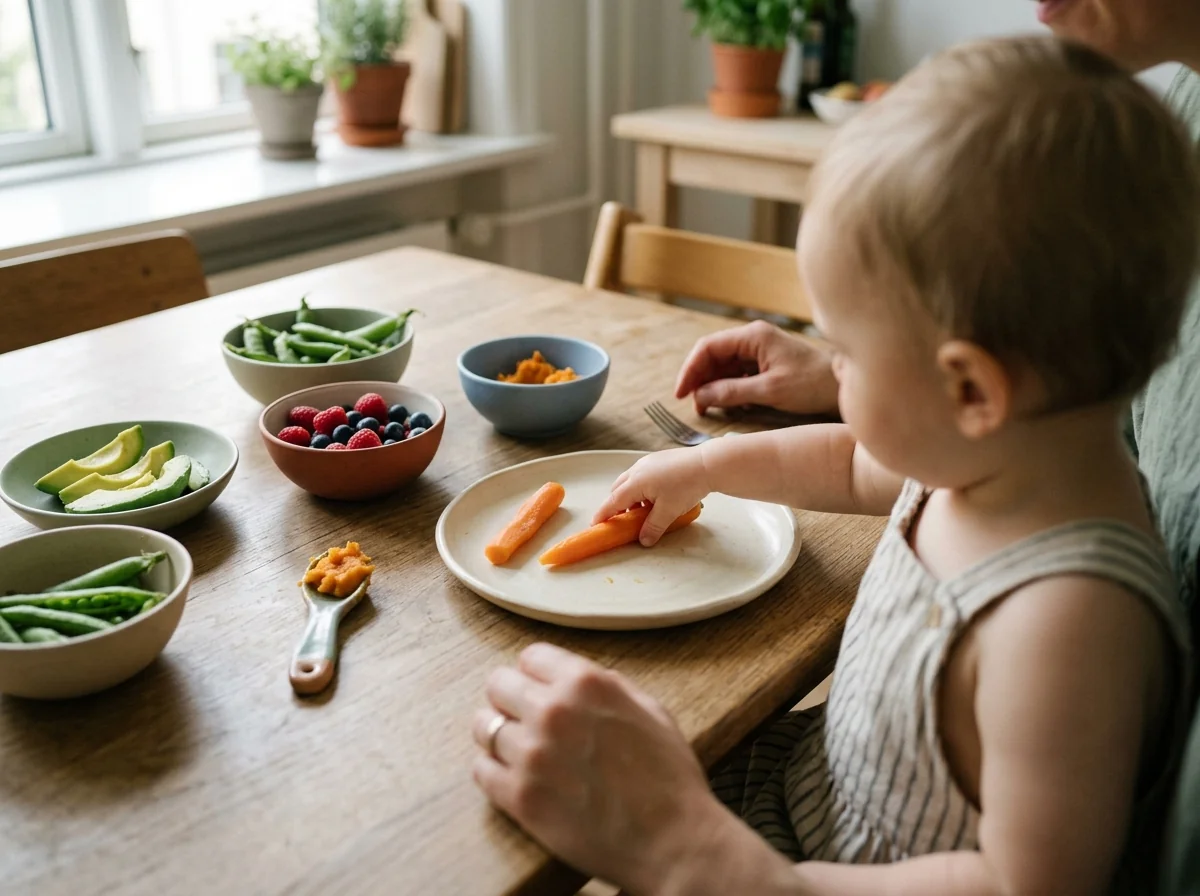


Pediatric Nutrition Consultation
Learn more about individualized assessment of your child’s growth, dietary variety, iron-rich food intake and the nutrition-related aspects of laboratory findings.